
Education & Scholarship
Learning, Inquiry & Living Knowledge
This pillar advances thoughtful education, responsible scholarship, and respectful exchange between practitioners, educators, researchers, artists, writers, and communities.
Why Education & Scholarship Matter
These are the reasons IPS believes this pillar is worth pursuing — not a record of finished work.
Accessible Learning
Making thoughtful information about these traditions easier for anyone to find and understand.
Accurate Historical Understanding
Grounding discussion of these traditions in careful, source-aware history rather than assumption.
Spiritual and Religious Literacy
Helping the wider public understand Pagan, occult, esoteric, and mystic paths on their own terms.
Respect for Practitioner Knowledge
Recognizing that lived and oral knowledge is a legitimate source of understanding alongside academic research.
Critical Inquiry
Asking careful questions and weighing evidence rather than accepting or repeating claims uncritically.
Responsible Interpretation
Presenting interpretation as interpretation, not as settled fact about beliefs that remain contested or personal.
Clear Sourcing
Being transparent about where information comes from and how confident that information is.
Correction of Misinformation
Addressing inaccurate or oversimplified claims about these traditions when they can be responsibly corrected.
Preservation of Context
Keeping historical and cultural context attached to the knowledge it belongs to, rather than stripping it away.
Dialogue Across Disciplines
Encouraging conversation between historians, folklorists, religious scholars, and practicing communities.
Pagan, occult, esoteric, and mystic traditions are not a single uniform category, and IPS does not speak on behalf of any living tradition or Indigenous people. Historical evidence, academic interpretation, practitioner knowledge, oral tradition, and personal belief are each valuable and distinct, and this pillar aims to keep that distinction clear.
Standards This Pillar Seeks to Uphold
These are commitments we intend to hold future educational work to.
Intellectual Honesty
Representing what is known, uncertain, or contested about a topic as such.
Clear Attribution
Crediting the sources, traditions, and people that knowledge comes from.
Community Consent
Seeking consent before engaging with a community's knowledge or practices.
Contextual Interpretation
Reading historical and cultural material in light of its own time, place, and meaning.
Practitioner Collaboration
Involving practitioners as partners in scholarship about their own traditions, not only as subjects of study.
Accessible Knowledge
Sharing what can responsibly be shared in language a general audience can understand.
Respect for Restricted Knowledge
Leaving private, sacred, or restricted knowledge with the community that holds it.
Correction and Accountability
Being willing to revise or correct published material when it is shown to be inaccurate.
A Future Educational Lifecycle
One way future educational work could move from an early idea to a finished, public resource.
- 1
Listen & Identify Needs
Understanding what practitioners, educators, and communities already say they need.
- 2
Research & Collaborate
Gathering sources and working alongside practitioners and scholars with relevant knowledge.
- 3
Develop & Review Resources
Drafting materials and reviewing them for accuracy, consent, and clarity before anything is shared.
- 4
Publish, Teach & Improve
Sharing finished resources publicly and revising them as understanding develops.
Areas of Educational Focus
Possible areas of educational development this pillar may grow into — not active departments or existing programs.
- Comparative Religion and Theology
- History and Cultural Context
- Folklore and Oral Tradition
- Ethics and Community Practice
- Art, Literature and Material Culture
- Ecology and Earth-Centered Traditions
- Contemporary Pagan Studies
- Public Spiritual Literacy
What Future Resources May Include
None of the following currently exist unless already published elsewhere on this site. They describe possible future formats.
- Introductory guides
- Reading lists
- Essays
- Recorded talks
- Interviews
- Study materials
- Public lectures
- Community discussions
- Research summaries
- Teaching resources
Forms of Support IPS May Explore
IPS may explore responsibly designed opportunities like these as its resources and structure develop.
Scholarships
Support for individuals pursuing study relevant to these traditions.
Research Support
Assistance for careful, source-grounded research projects.
Fellowships
Structured opportunities for sustained scholarly or educational work.
Educational Collaborations
Joint work with educators and institutions on shared learning goals.
Community-Led Documentation
Support for communities documenting their own knowledge on their own terms.
Publication Opportunities
Ways for responsible scholarship to eventually reach a wider audience.
No application cycle or funding opportunity is currently open. There are no funding amounts, deadlines, eligibility guarantees, or award counts to announce — this section describes possibilities we may pursue, not a live program.
Who Future Educational Work May Serve
- Practitioners
- Students
- Independent researchers
- Educators
- Artists and writers
- Community historians
- Librarians and archivists
- Members of the public seeking accurate information
We do not currently have beneficiaries, measured outcomes, participant totals, or geographic coverage to report for this pillar.
A Global and Locally Respectful Outlook
Educational needs vary by community, culture, language, geography, and tradition. Future educational work under this pillar should be locally informed and globally respectful, rather than applying a single approach everywhere.
We do not display regional grant counts, region-specific programs, or maps implying existing operational coverage, because no such deployment currently exists.
What a Future Educational Project Could Look Like
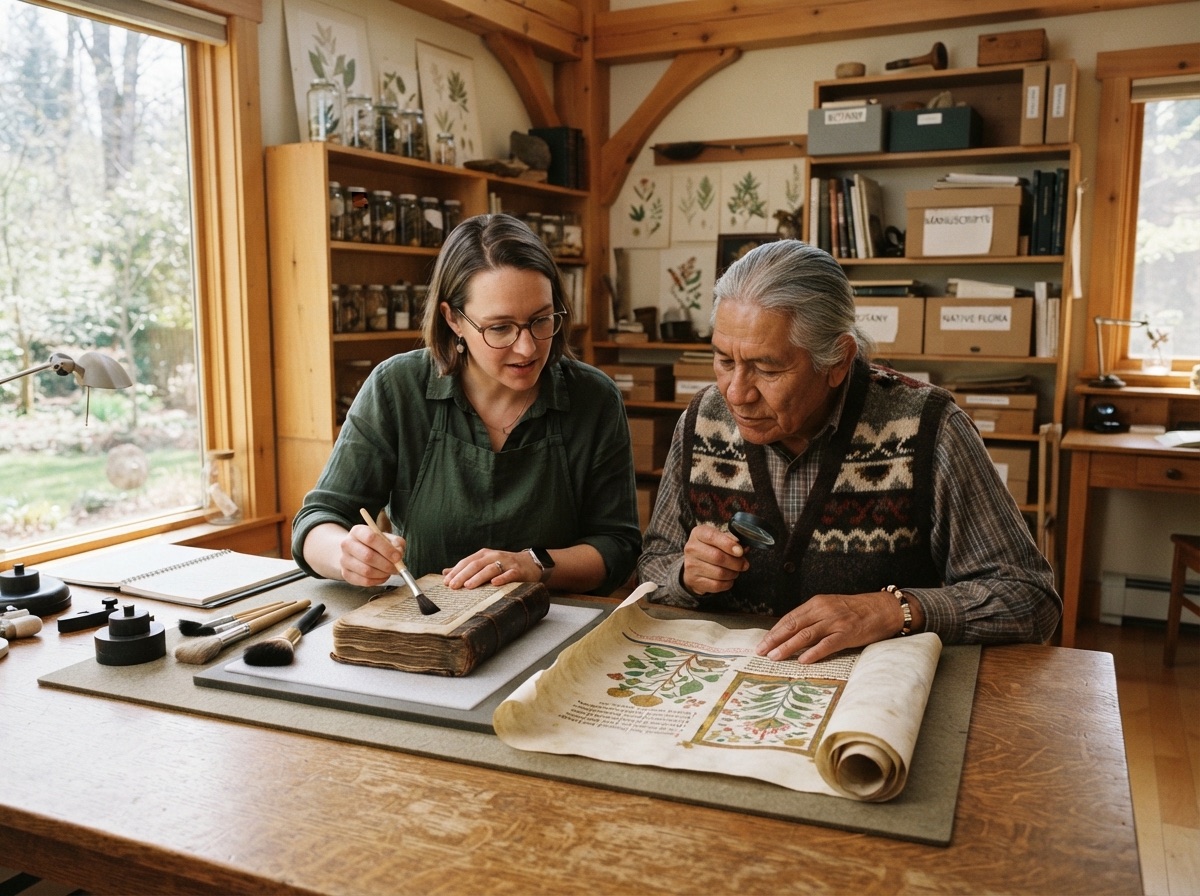
A conceptual illustration of how this pillar might take shape — not a real, dated, or funded IPS project.
Imagine a small, responsibly sourced introductory guide to one Pagan tradition's seasonal calendar, developed with input from practitioners who follow it, reviewed for accuracy by an independent researcher, and shared publicly as a free reading resource alongside a short recorded conversation between a practitioner and an educator.
This is only an example of the kind of project this pillar might eventually support. It does not describe a real manuscript, named scholar, funded project, or measured outcome.
Nothing Is Published Here Yet
Verified publications and learning materials will be listed here once they are developed and approved.
Who This Pillar Hopes to Work With
These are categories of potential collaborators, not verified current affiliations or endorsements.
Ways People May Eventually Take Part
As verified opportunities become available, they will be described here — this is not an open application process.
- Contributing educational ideas
- Suggesting topics
- Participating in discussions
- Reviewing public learning materials
- Sharing community perspectives with consent
- Collaborating on responsible educational resources
A Verified Contact Channel Is Coming
A verified channel for sharing educational ideas or participating in future work has not been established yet. It will be published here once available. In the meantime, learn more about the Society's approach to collaboration on ourPartnershipspage, or the standards guiding our community on ourCommunity Guidelines & Safetypage.
Help Build a Foundation for Responsible Education
Your support helps IPS grow into an organization capable of developing thoughtful, honest educational work over time.