
Our Work & Strategic Pillars
Living Wisdom. Purposeful Action.
The International Pagan Society's mission is organized around five interconnected pillars that guide its educational, cultural, community, freedom-centered, and livelihood-focused work.
Education & Scholarship
This pillar guides how IPS approaches public education and responsible scholarship about Pagan, occult, esoteric, and mystic traditions.
Future work may include:
- Public education about Pagan, occult, esoteric, and mystic traditions
- Responsible, source-grounded scholarship
- Spiritual and religious literacy for the wider public
- Research resources for practitioners and scholars alike
- Lectures and public discussions
- Accurate, well-attributed sourcing
- Collaboration between practitioners and academic scholars
- Accessible learning opportunities for newcomers and lifelong practitioners
Historical & Cultural Preservation
This pillar guides how IPS approaches the preservation of history, knowledge, and cultural memory — always on terms set by the communities that hold them.
Future work may include:
- Oral histories, gathered with consent
- Responsible documentation of practices and knowledge
- Digital preservation of at-risk material
- Community-controlled archives
- Cultural attribution that credits the traditions knowledge comes from
- Preservation education and skill-sharing
- Respectful collaboration with the communities knowledge belongs to
- Protection of restricted or sacred knowledge from unwanted disclosure
- Consent-based preservation practices at every step
Community Stewardship & Outreach
This pillar guides how IPS seeks to support practitioners and communities directly — through connection, access, and mutual care.
Future work may include:
- Community education
- Intergenerational connection between elders and newer practitioners
- Accessible resources for practitioners and communities
- Mutual understanding across traditions
- Community gatherings
- Outreach and public service
- Volunteer opportunities
- Connections among practitioners who might otherwise remain isolated
- Supportive community networks
Global Unity & Spiritual Freedom
This pillar guides how IPS supports freedom of religion and spiritual practice, and respectful dialogue among diverse traditions worldwide.
This pillar supports:
- Freedom of religion and spiritual practice
- Respectful dialogue across traditions and borders
- Pluralism among the many paths the Society was founded to serve
- Non-dogmatism — no single orthodoxy imposed on diverse traditions
- Opposition to discrimination and spiritual coercion
- Solidarity among practitioners without requiring theological uniformity
- Respect for local and cultural autonomy
- Peaceful public understanding of Pagan, occult, esoteric, and mystic paths
Sustainable Livelihood Through Sacred Practice
IPS's mission explicitly supports sustainable livelihood for practitioners, educators, artists, writers, makers, cultural workers, researchers, and responsible spiritual-service providers — distinct from exploitation of any kind.
Principles that would guide this work:
- Honest representation of services and offerings
- Transparent pricing
- Fair compensation for practitioners' time and skill
- Respect for intellectual and cultural ownership
- No guaranteed supernatural outcomes
- No fear-based selling
- No exploitation of grief, illness, trauma, or vulnerability
- Responsible disclosure of paid relationships
Ethical, sustainable livelihood is not the same as exploitation. This pillar is meant to help honest, transparent livelihoods endure — never to excuse fear-based selling or taking advantage of someone's grief, illness, trauma, or vulnerability.
How the Pillars Work Together
The five pillars are not separate silos — they are meant to reinforce one another as IPS's mission develops.
Scholarship strengthens preservation
Careful research helps ensure that what is preserved is documented accurately and attributed honestly.
Preservation supports community identity
Safeguarded histories and practices give communities a stronger, clearer sense of their own continuity.
Community stewardship strengthens unity
Local connection and mutual support build the trust that wider solidarity depends on.
Spiritual freedom protects diverse practice
Protecting the right to practice openly is what allows this diversity of traditions to keep existing at all.
Ethical livelihood helps living traditions endure
When practitioners and educators can sustain themselves honestly, traditions are more likely to be carried forward.
A Global and Locally Respectful Outlook
The Society's mission is globally oriented, while recognizing that Pagan, occult, esoteric, and mystic traditions are locally rooted and culturally specific. Work under any of the five pillars is meant to respect the particular context, history, and autonomy of the communities involved.
We do not publish regional program counts, chapter totals, or maps implying an existing operational footprint, because no such network currently exists. This section describes an outlook the Society intends to hold as its work develops, not a record of established geographic reach.
What a Future Cross-Pillar Initiative Could Look Like
This is a hypothetical illustration of how the pillars might connect in practice. It does not describe a project IPS has run or completed.
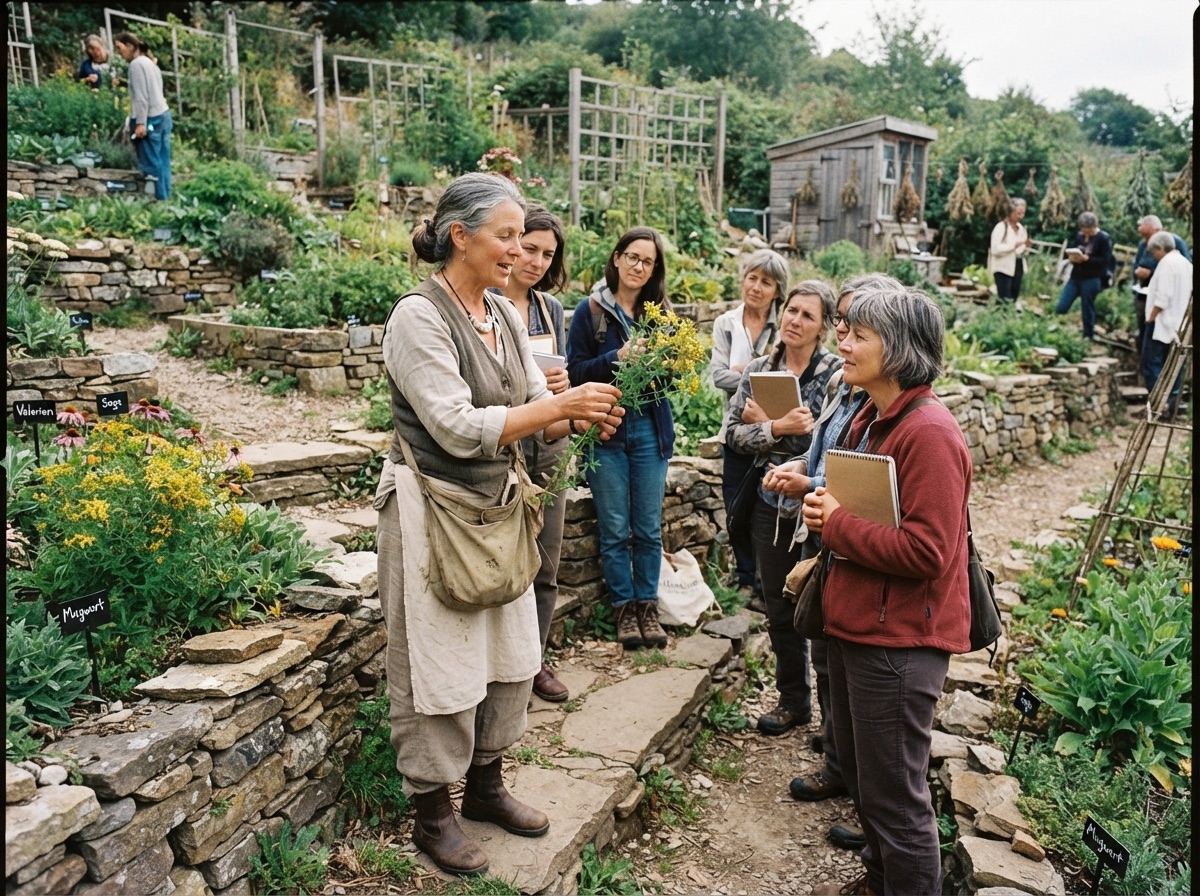
Imagine a small, community-led oral-history project: a group of practitioners records seasonal stories and practices with an elder's consent (Community Stewardship & Outreach), the recordings are documented and stored with the community's own archive on the community's own terms (Historical & Cultural Preservation), and a public talk shares what can responsibly be shared with a wider audience (Education & Scholarship) — all while respecting what the community chooses to keep private.
This is only an example of how the pillars could reinforce each other. It is not a real, dated, or measured project, and it does not describe any location, artifact, or outcome.
Principles That Would Guide Future Programs
These are commitments we intend to hold future work to — not a record of an already-adopted formal protocol or legal framework.
Informed Consent & Cultural Respect
Engaging with a community's knowledge or practices only with clear, informed consent, and respecting what a community chooses to keep private or restricted.
Non-Dogmatic Pluralism
Recognizing the genuine diversity of Pagan, occult, esoteric, and mystic paths, without imposing a single orthodoxy or theology across them.
Ethical Stewardship & Accountability
Holding future programs to honest, accountable standards, and being clear about what is a plan, a goal, or a completed program.
Building Toward Verified Educational Resources
Verified educational resources, reports, and publications will be added here as they are developed and approved. Nothing is published under this heading yet.
Learn more about the values behind these pillars on ourMission & Valuespage, how we approach future collaboration on ourPartnershipspage, or the standards guiding our community on ourCommunity Guidelines & Safetypage.
Help Build the Foundation for These Pillars
Your support helps IPS grow into an organization capable of carrying this work forward, responsibly and transparently.