
Pillar 01
Education and Scholarship
Research grants, open-access journals, fellowships, and symposia on comparative animism and historical polytheism.
The International Pagan Society is a foundation advancing education, cultural preservation, spiritual freedom, community resilience, and sustainable opportunities for Pagan communities.
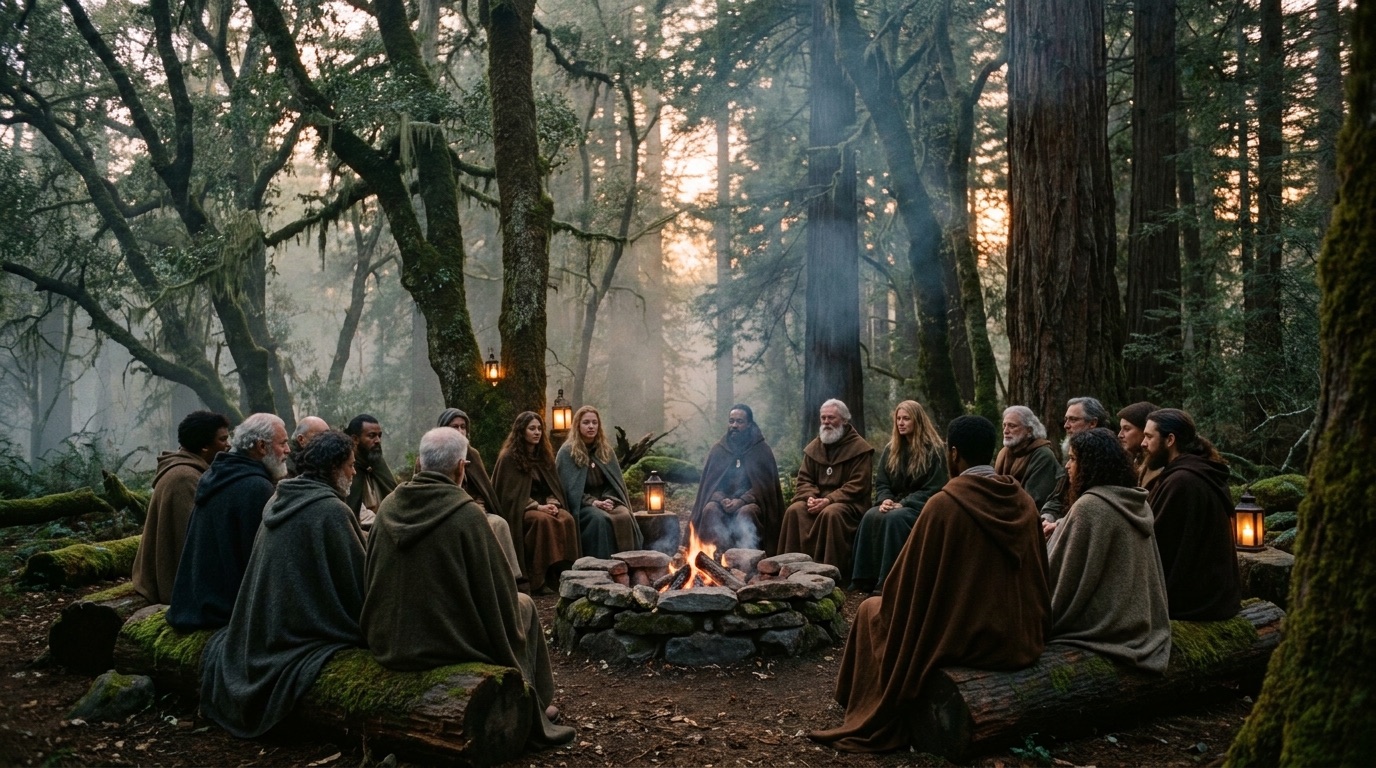
Pagan traditions represent a wide and diverse family of spiritual, cultural, and philosophical paths. Many have survived through oral history, community practice, art, and a deep relationship with the natural world.
The International Pagan Society exists to help these living traditions endure. We aim to connect communities, preserve knowledge, support education, defend spiritual dignity, and invest in initiatives developed with — not merely for — the people they serve.
"Honoring the soil, the memory, and the living practitioner with equal fidelity."
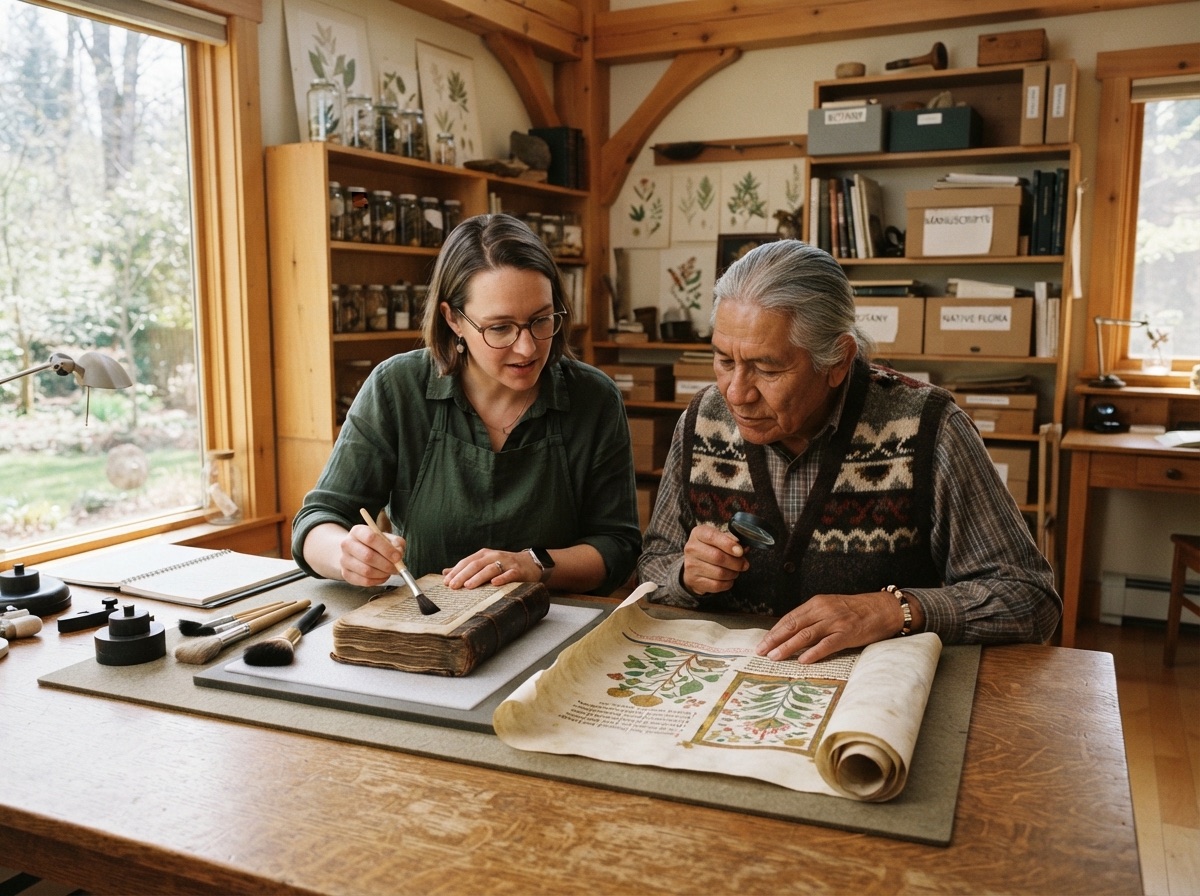
"To preserve, support, and strengthen Pagan traditions and communities through education, cultural stewardship, humanitarian action, responsible scholarship, and international cooperation."
"A world where Pagan people and traditions can thrive openly, safely, sustainably, and with dignity across generations."
Across continents, earth-honoring traditions face structural fragility. Without organized support, ancestral lineages risk quiet erosion.
Sacred songs, herbal knowledge, and seasonal practices preserved through elders are vulnerable when transmission chains break.
Pagan scholars and community educators often face limited research funding and a lack of standardized archives.
Ritual implements and sacred sites often lack proper archival custody or protection from damage and exploitation.
Practitioners worldwide can face social stigma and barriers to legal recognition of their rites and practices.
A coherent framework aligning academic research, grassroots preservation, and global civil rights.
Research grants, open-access journals, fellowships, and symposia on comparative animism and historical polytheism.
Digital manuscript scanning, oral history archives, conservation of ritual objects, and defense of archaeological sites.
Elder care circles, intergenerational mentorship, mutual aid, and assembly grants for seasonal gatherings.
Human rights advocacy, legal counsel for ritual protections, and work against anti-Pagan discrimination.
Micro-grants for traditional herbalists and artisans, supporting economic models tied to seasonal cycles.
Our interventions are invitational. We favor bilateral partnership rooted in community oversight over paternalistic models.
Prioritizing local needs over external assumptions.
Partnering with recognized practitioners and elders.
Upholding the variance between distinct cultural paths.
Respecting closed ceremonies and private practices.
Cultivating support that outlives any single grant cycle.
Publishing clear expenditure reporting as we grow.
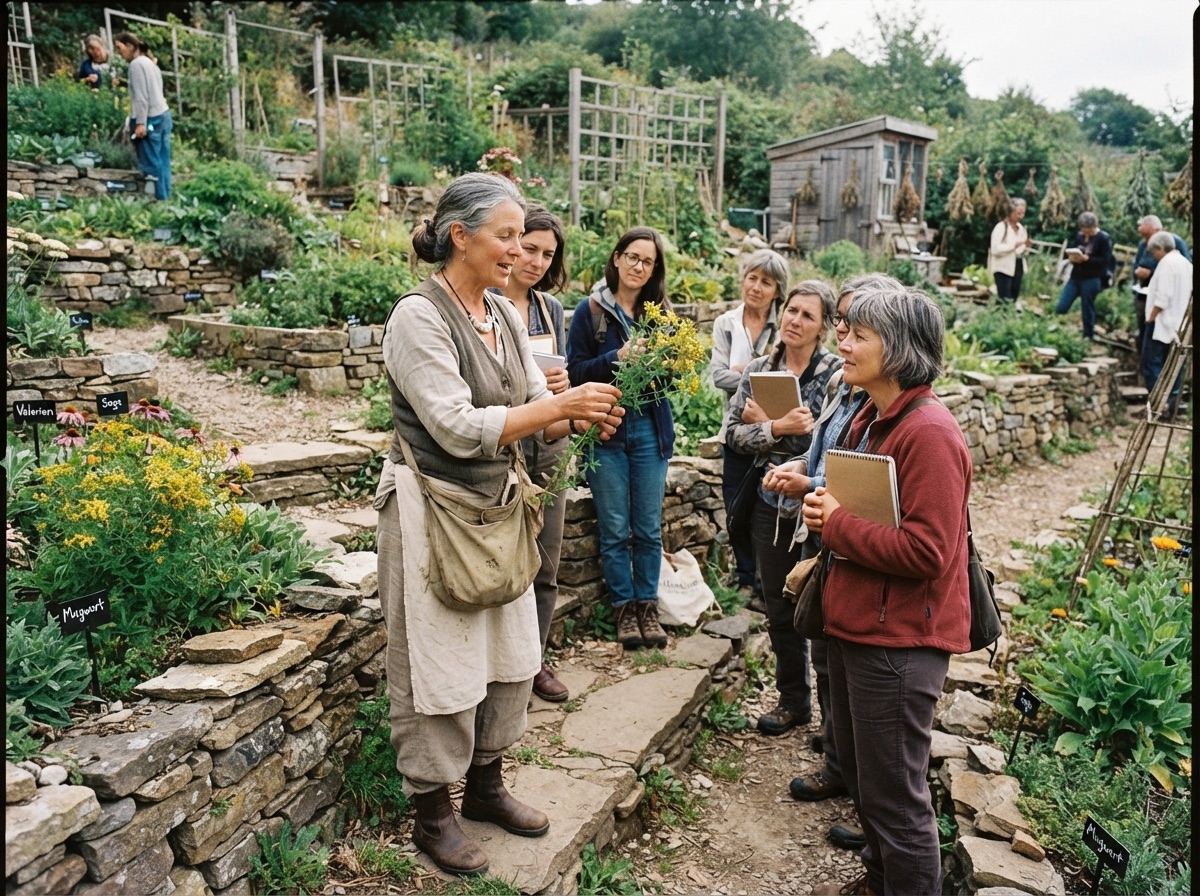
Ethnobotanical Apprenticeship
A field workshop documenting medicinal plant knowledge in collaboration with community garden keepers.
The Society does not treat Pagan traditions as a single belief system, but honors regional autonomy, distinct lineages, and local self-governance.
Chapters govern themselves according to local custom.
No single tradition is treated as a universal standard.
Community leadership decides what partnership looks like.
Initial consultations among practitioners, folklorists, and conservationists.
Establishing the foundation's governing structure and charter.
Development of research grant programs and open-access publications.
First agreements explored with regional community organizations.
Planning for a permanent physical and digital archive.
Building the programs and partnerships described on this site.
Principles that govern our institutional decisions and community engagements.
Every earth-honoring tradition and practitioner holds inherent worth. We defend the right to observe ancestral customs free from mockery or persecution.
Pagan paths are inherently diverse. We recognize no single orthodoxy, and celebrate the legitimate variation across regional and reconstructed paths.
When we receive knowledge or trust, we aim to return material support, legal protection, and care to the communities we work with.
A commitment to primary sources, linguistic precision, and intellectual honesty, avoiding speculative or falsified lineages.
Active guardianship of sacred forests, watercourses, and ancient sites. Environmental protection and cultural preservation are inseparable.
Programs originate from and remain answerable to practicing elders and grassroots organizers, so institutional authority serves rather than dictates.
The Society intends to operate under a dual-tier structure: a Board of Trustees responsible for fiscal stewardship, alongside a Council of Elders holding an advisory voice over cultural and archival decisions.
Institutional Governance & Fiduciary Oversight
Comparative Traditions & Lineage Oversight
Preservation & Research Access
Religious Liberty & Civil Rights
Trust is sustained through clear governance and honest reporting. Charter documentation and any applicable filings will be published here as they become available.
Join a global effort to preserve cultural knowledge, strengthen communities, and expand education for future generations.